The cheapest storage unit on the list is often the one that costs you the most. A gap under the door, a shared gate code, or a unit two feet too short can quietly turn into a repair bill that dwarfs a full year of rent.
A boat and trailer sitting in a driveway is a $15,000 to $80,000 target for weather, UV, rodents, and, in some neighborhoods, theft. An RV is worse: $30,000 to $200,000 sitting exposed for the eight months a year you are not using it. The right storage unit protects that investment. The wrong one leaves it open to exactly the weather, pests, and break-ins you were trying to avoid.
The catch is that storage facilities are not all built the same. Two units in the same town at similar prices can differ wildly on security, access, hidden fees, and what you are actually allowed to do inside the unit. The seven questions below are the ones every owner should ask before signing anything.
Key Takeaways
- NICB recorded 4,461 watercraft thefts in the U.S. in 2022, and prevention guidance consistently points to fencing, gates, and cameras as the primary deterrents. [1]
- Under-sizing is the most common mistake. Measure with the tongue extended and add clearance on all sides before you pick a unit length.
- Ask for the second-year monthly rate, not just the introductory rate. Rent escalators after month 12 are a standard industry practice.
- Check your existing insurance before opting into a facility’s tenant coverage. Most boat and RV policies already cover the vehicle in storage.
- Get the use rules in writing. Whether you can wash, charge batteries, or run the engine inside the unit varies by facility and matters more than most renters realize.
1. What Security Does the Facility Actually Have?
Security is the first question because it is the one thing you cannot fix after the fact. If a facility gets broken into, your options are an insurance claim and a police report, and neither one gets your boat back on the water in May.
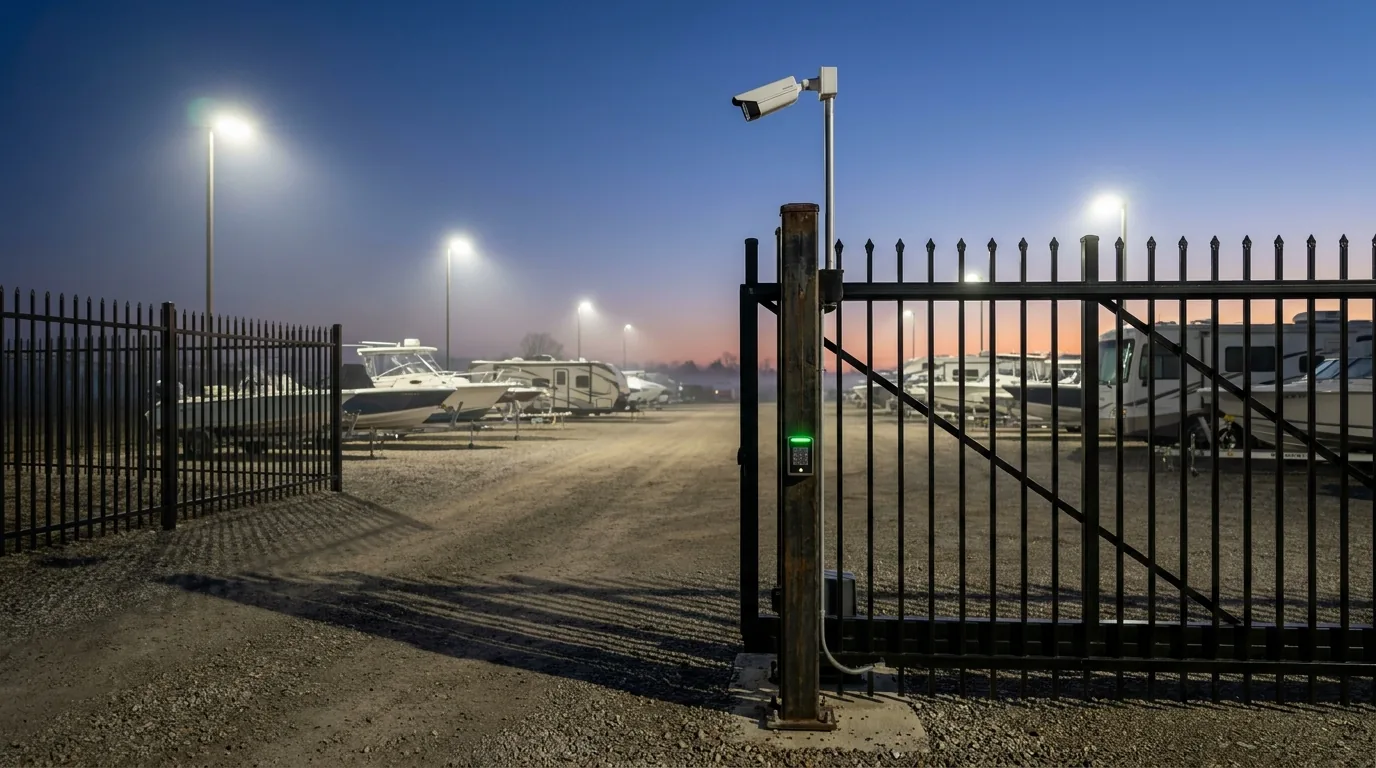
The National Insurance Crime Bureau logged 4,461 watercraft thefts nationally in 2022, part of a multi-year downward trend, with Florida alone accounting for 20 percent of the total. NICB prevention guidance emphasizes fencing, gated access, and camera coverage as the primary theft deterrents. [1] Perimeter fencing, gated access with individual codes, and video coverage are the baseline. Anything less is a driveway with rent.
Ask specifically:
- Is the entire perimeter fenced, and how tall is the fence?
- Is the entry gated, and does each tenant get a unique access code (not a shared one)?
- Are there cameras covering the gate, drive aisles, and unit doors, and how long is footage retained?
- Is the facility lit at night?
- Is anyone on-site or on-call, and how quickly do they respond to alarms?
2. Is the Unit Indoor, Outdoor, or Covered?
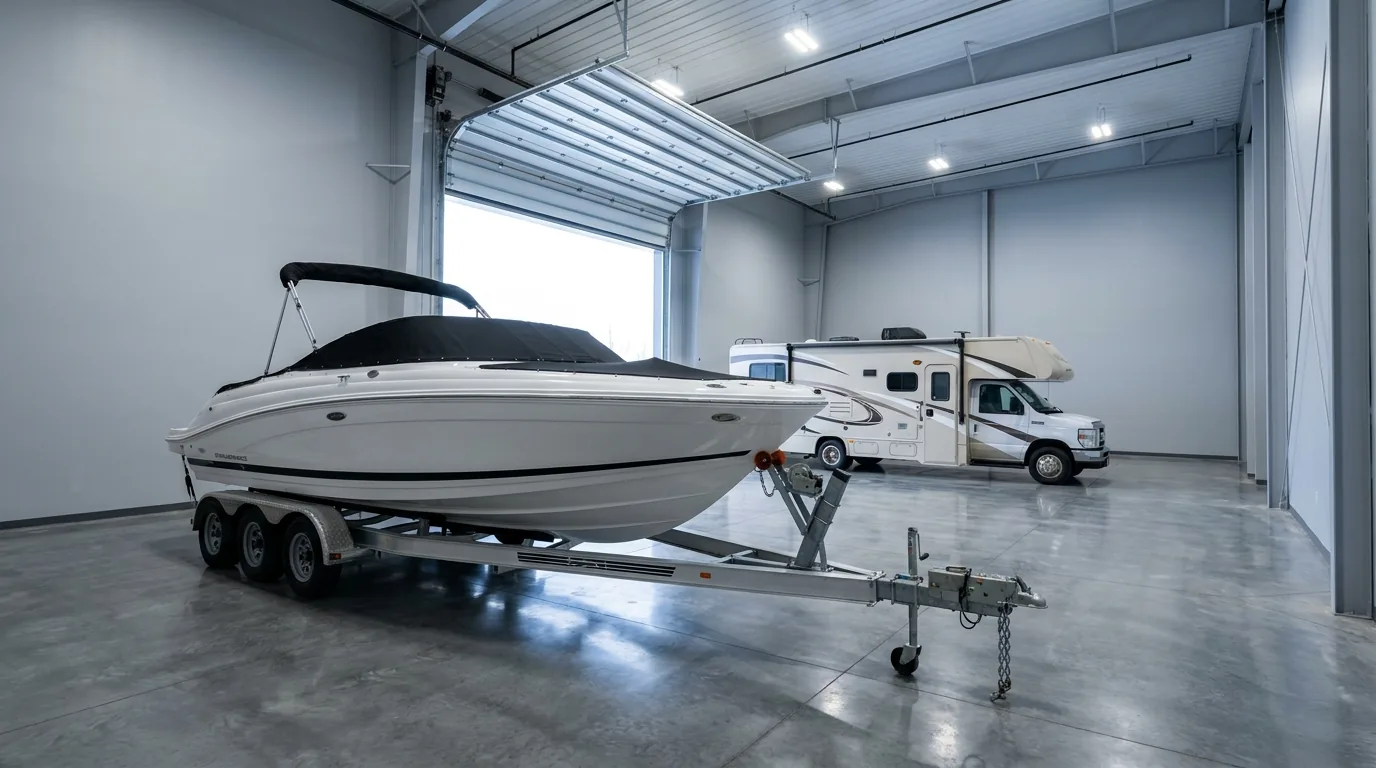
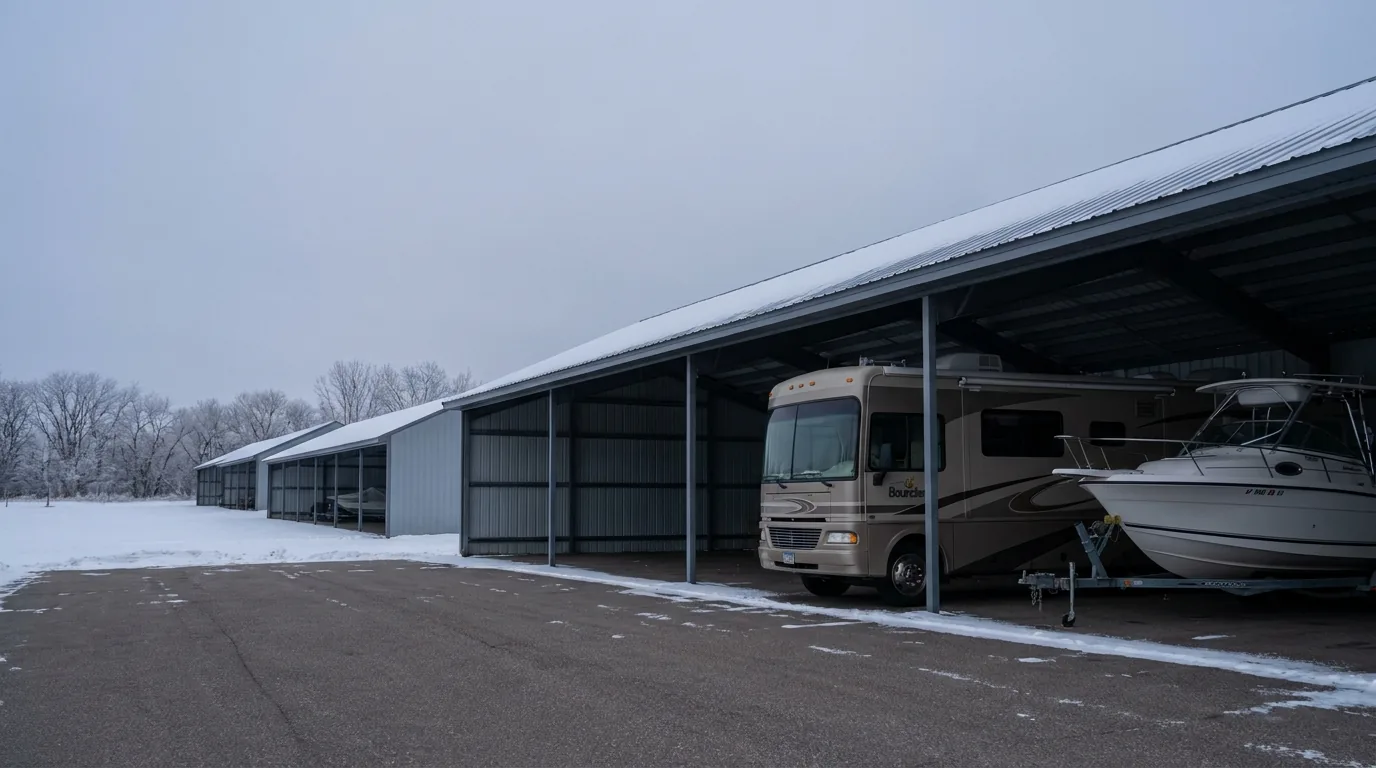
The three storage types cost different amounts and protect against different things, and the right pick depends on the vehicle, the length of the layup, and your local climate. In central Minnesota, indoor is worth the premium for anything over about $15,000 in vehicle value.
The quick comparison:
| Storage type | Freeze & snow | UV protection | Typical monthly cost (MN) |
|---|---|---|---|
| Indoor (enclosed unit) | Excellent | Excellent | $150 to $350 |
| Covered (roofed, open sides) | Good for snow, partial for wind-driven ice | Excellent | $90 to $180 |
| Outdoor (open lot) | None | None | $45 to $110 |
Indoor storage also eliminates freeze-thaw cycling on seals, gelcoat, and roof membranes, and it is the only option that truly keeps rodents out of your wiring harness. The tradeoffs shift with vehicle type and value, but for anything you plan to keep through a Minnesota winter, enclosed indoor storage is the safest bet.
3. What Size Unit Do You Actually Need?
Under-sizing is the single most common storage-rental mistake, and it is expensive because you either cannot get the door closed or you end up moving to a bigger unit mid-season at a higher rate. Measure before you shop.
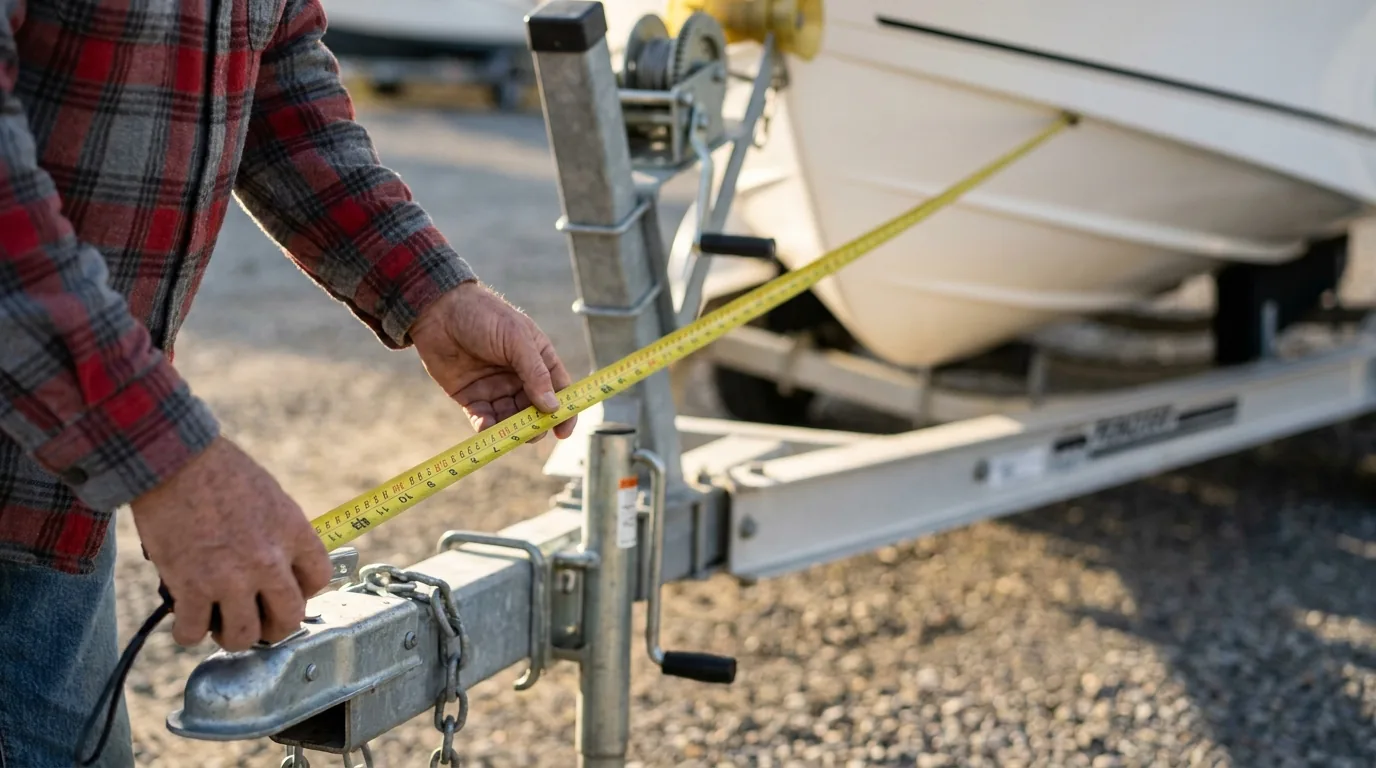
The right way to measure a boat or RV for storage:
- Measure total length with the trailer tongue fully extended, including any hitch or extension. Not the manufacturer’s “hull length” number: the actual bumper-to-bumper measurement.
- Measure height in travel position, including antennas, wakeboard towers, AC units, or roof vents. Some of those fold. Some do not.
- Measure width at the widest point, which is usually the fenders on a trailer or the slide-out on an RV (measure with slides retracted).
- Add clearance: at least 2 feet at each end and 12 inches on each side for a comfortable fit and to open doors and hatches.
A 21-foot bowrider on a trailer is often 25 feet bumper to bumper, so it needs at least a 26 to 28 foot unit, not a 24. A Class C RV listed at 26 feet is frequently 27 or 28 feet with the spare tire and ladder. Ask the facility for the true interior dimensions, not the marketing size.
4. What Are the Access Hours and How Convenient Is Getting In?
Access hours matter more than most renters expect, because you do not use a storage unit at 2 PM on a Wednesday. You use it at 5 AM on a Saturday when the fish are biting or at 9 PM on a Friday when you finally get out of work.
The two common access models:
- 24-hour access. You can enter anytime with your gate code. Best for anglers, hunters, and early trip departures.
- Gate hours (typically 6 AM to 10 PM). Quieter, less traffic, easier to secure. Fine for most seasonal boat and RV owners.
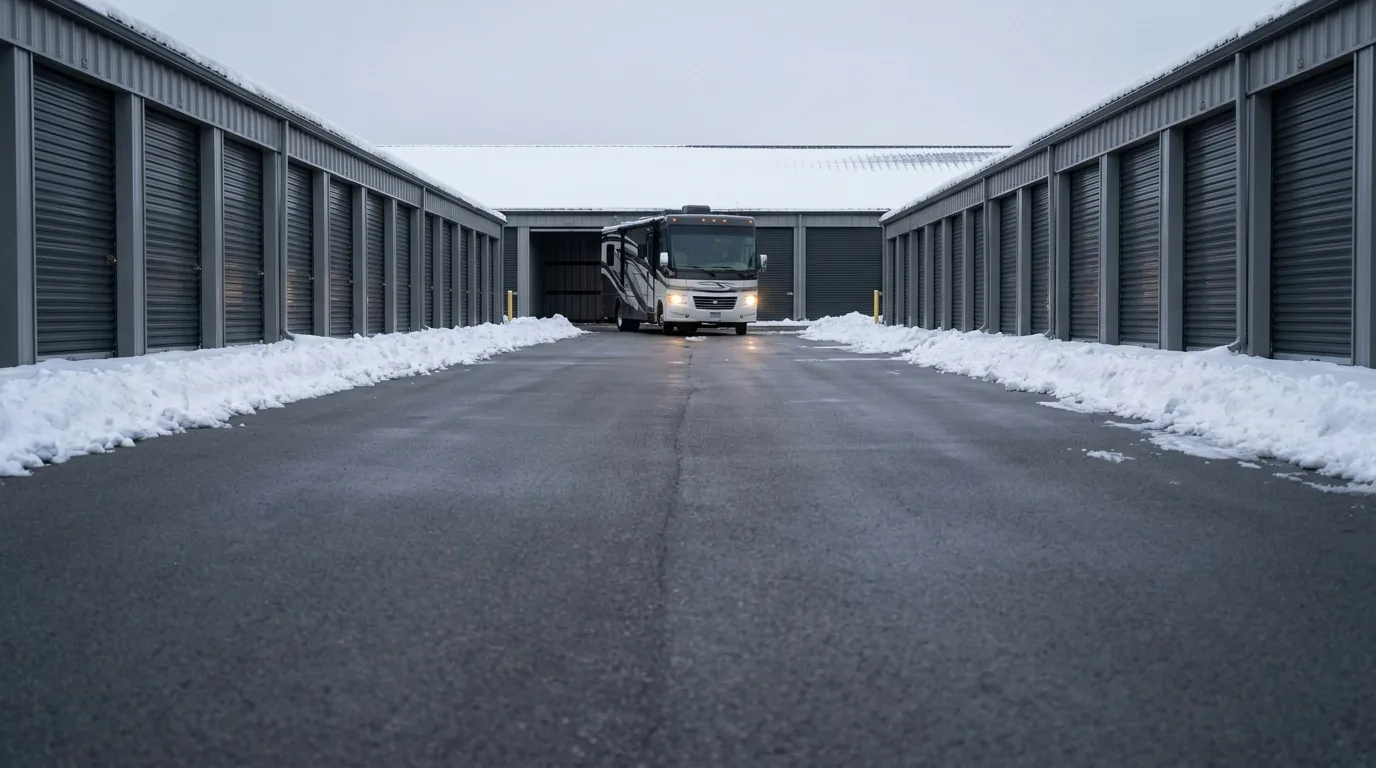
Beyond hours, ask about the drive aisles: are they wide enough to turn a 30-foot trailer without a three-point turn, are they paved or gravel, and are they plowed in winter? A cheap facility with narrow aisles and unplowed lanes in February is not actually cheap.
5. What Is the Real Price, Including Fees and Escalators?
The rate on the sign is rarely the rate you pay for the whole year. Ask for two numbers before signing anything: the total first-month cost including all fees, and the monthly rate 13 months from now.
Common fees that stack onto the advertised rate:
- Administrative or setup fee at move-in ($15 to $40).
- Mandatory tenant insurance if the facility requires it and you cannot show your own coverage ($10 to $30 per month).
- Electricity or utility surcharge if your unit has power ($5 to $25 per month).
- Late payment fees and grace period rules (matters if you travel).
- Annual rate escalator after month 6 or 12 (self-storage is typically month-to-month, and operators commonly raise rates 3 to 10 percent within the first year of a tenancy).
The Federal Trade Commission has cracked down on hidden “junk” fees, pushing businesses toward up-front, all-in pricing. [2] If a facility will not give you the total first-month cost in writing, that is your answer.
6. Does the Facility Require or Offer Insurance?
Insurance is almost always the most confusing line item on a storage contract. Some facilities require proof of coverage, some sell their own tenant policy, and some do both. Do not opt into anything until you have called your existing insurer.
Many boat and RV owners already have coverage in place. Small boats often fall under a standard homeowners or renters policy, and some insurers offer a reduced “lay-up” or comprehensive-only rate for the months a vehicle sits unused.
The Insurance Information Institute’s boat insurance guide is a useful starting point, but a five-minute call to your own agent is the only way to confirm how your policy treats a vehicle in storage. [3]
Ask the facility:
- Is tenant insurance required, or optional?
- If required, will you accept a certificate from my existing carrier?
- If you sell coverage, what is the coverage cap, what perils are excluded, and what is the deductible?
- Does the facility carry any coverage that protects tenants against acts of the facility itself (roof leaks, flooding, unauthorized entry)?
Facility-sold basic tenant policies often cap coverage low (commonly $2,000 to $5,000 on entry-level tiers, though higher-tier plans can reach $25,000 or more) and exclude water damage, rodent damage, and pre-existing conditions. For a $30,000 boat on a basic tier, that is not real coverage.
7. What Are the Rules for Preparing and Using the Unit?
The last question is the one renters ask least often and regret most often. Storage contracts have use rules, and those rules matter more when you are trying to swap a battery on a Saturday morning than they did the day you signed.
Ask specifically:
- Can I run the engine inside the unit? (Almost always no, for fire and ventilation reasons.)
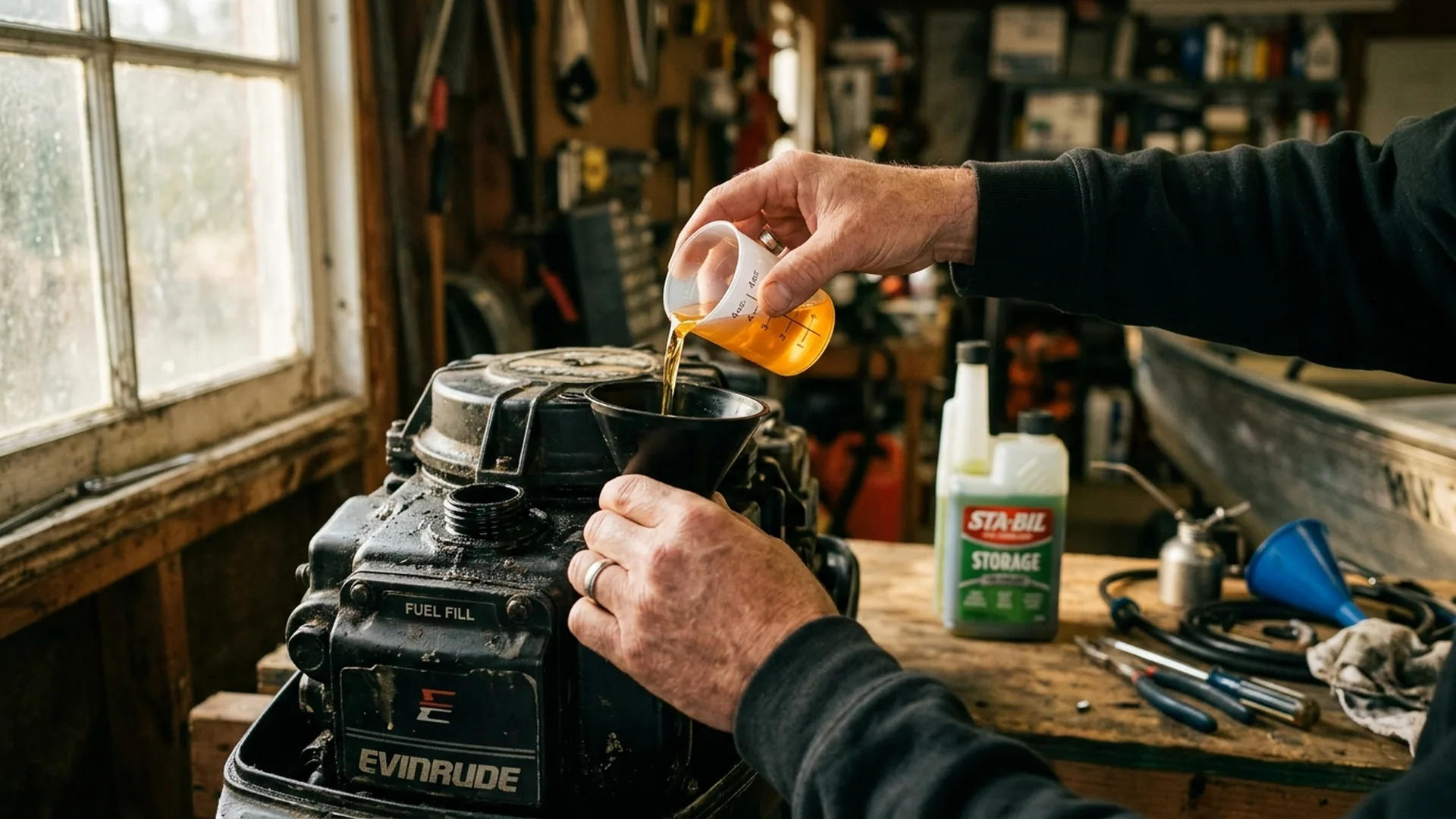
- Can I do fluid changes, welding, or painting inside? (Usually no.)
- Can I plug in a battery tender or trickle charger? (Depends on whether the unit has power and what the fire code allows.)
- Can I wash the boat or RV in the drive aisle? (Some yes, some no. Water and drainage rules apply.)
- Are there restrictions on stored fluids? (Full fuel tanks are usually fine; loose gas cans are often prohibited.)
- Can I dead-store a project vehicle that will not move for a year? (Some facilities require it to be operable and insured.)
Get the answers in writing on the lease or an addendum. Verbal reassurances from a leasing agent do not survive a change of facility manager.
Quick Reference: The 7 Questions in Order
| # | Question | Why it matters |
|---|---|---|
| 1 | What security does the facility actually have? | Fenced, gated, camera-covered facilities dramatically lower theft risk. |
| 2 | Is it indoor, outdoor, or covered? | Determines protection against freeze-thaw, UV, snow, and rodents. |
| 3 | What size do I actually need? | Under-sizing is the most common (and most expensive) mistake. |
| 4 | What are the access hours and drive-aisle layout? | Convenience determines whether the storage actually gets used. |
| 5 | What is the real total price and second-year rate? | Fees and escalators can add 20 to 40 percent to the sticker rate. |
| 6 | Is insurance required or offered, and is it duplicate coverage? | Most owners already have coverage in place. |
| 7 | What are the use and preparation rules? | Rules affect maintenance access, battery care, and dead storage. |
What We See at Due North Storage
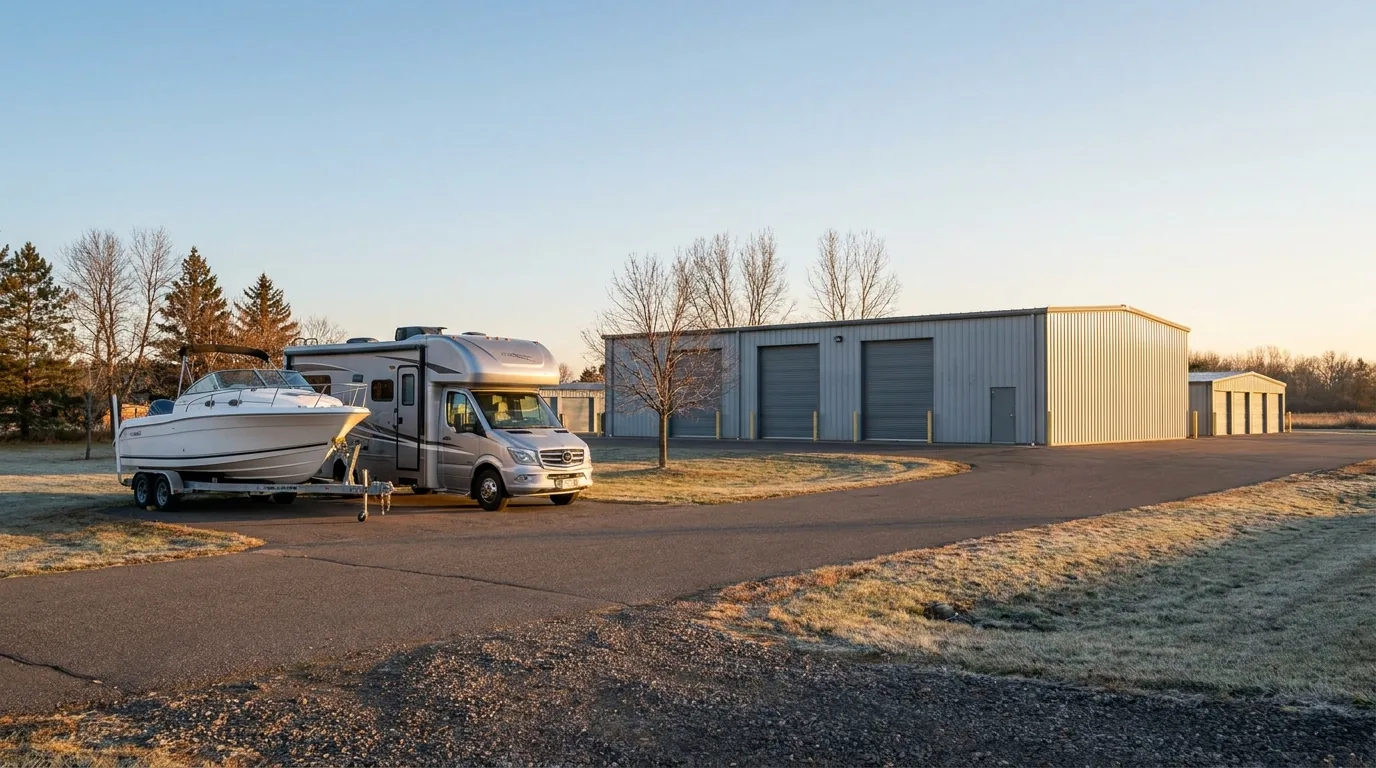
Most renters who come to us switching from another facility cite the same three issues: they were paying more than they thought (surprise fees), their unit was slightly too short (measurement mistake), or they had a security scare at their previous lot. All three problems are avoidable at the contract stage if the seven questions above get asked.
The right storage decision is not always the cheapest one. It is the one that protects a five-figure or six-figure vehicle for six to eight months a year, and does it without surprises on the invoice or in the drive aisle on a snowy Saturday.
Straight Answers to All 7 Questions
Due North Storage offers fenced, gated, camera-monitored indoor units with 24-hour access, no surprise fees, and clear use rules. Take a look before you sign anywhere else.
Frequently Asked Questions
What is the single most important question to ask a storage facility?
Ask what physically prevents someone who does not belong there from driving in. A perimeter fence, a gated entry with individual access codes, and 24-hour video coverage are the minimum bar.
Facilities that cannot answer that clearly usually do not have those things in place.
How do I know what size storage unit I need for a boat or RV?
Measure the total length with the trailer tongue extended and the antenna or wakeboard tower in its travel position, then add at least 2 feet of clearance at each end and 12 inches on each side.
For a typical 21-foot bowrider on a trailer, that means a 26 to 28 foot unit, not a 24 foot one.
Should I choose indoor, outdoor, or covered storage?
Indoor storage protects best against Minnesota freeze-thaw, UV, snow load, and rodents, and is worth the premium for boats over $15,000 and any RV you plan to keep long-term.
Covered storage is a middle ground. Outdoor with a tarp is the cheapest option and also the most likely to result in weather-related damage.
Are 24-hour access facilities better than gate hour facilities?
Not necessarily. 24-hour access is convenient for people who work odd shifts or leave on early trips. Gate hour facilities (typically 6 AM to 10 PM) tend to be quieter, have less traffic, and are easier to secure.
Match the access model to how you actually use the boat or RV.
What hidden fees should I watch for in a storage contract?
The common ones are administrative fees at move-in, mandatory insurance add-ons, electricity or utility surcharges, late-payment fees, and rent escalators after the first 6 or 12 months.
Ask for the total first-month cost and the second-year monthly rate before signing anything.
Do I need my own insurance if the facility offers coverage?
Check with your existing boat, RV, or homeowner’s carrier first. Most boat and RV policies cover the vehicle while in storage, which means the facility’s tenant insurance may be duplicate coverage.
Facility policies are typically capped and exclude common perils, so read the fine print before opting in.
Can I work on my boat or RV inside the storage unit?
Policies vary widely. Most facilities allow light maintenance like washing, waxing, or battery checks. Fuel work, oil changes, welding, painting, and running the engine inside a unit are usually prohibited for insurance and fire-code reasons.
Ask specifically before you sign.
Final Thoughts
A storage contract is a one-year commitment on a five-figure or six-figure vehicle. The seven questions above take 15 minutes to run through and they surface almost every issue that leads to buyer’s remorse in month three.
Ask them out loud, ask them in writing, and ask them at more than one facility. The right storage unit is the one where every answer is clear, every fee is disclosed, and every rule is on paper before you hand over a deposit.
Indoor Boat & RV Storage in Central Minnesota
Clean, dry, secure indoor units off Highway 10 near Saint Cloud and Little Falls. Straight answers, no surprise fees.
Sources
- National Insurance Crime Bureau. Watercraft Thefts Decrease in the U.S. for Second Year. 2023 release covering 2022 data. Retrieved 2026-09-08. nicb.org
- Federal Trade Commission. Rule on Unfair or Deceptive Fees: Frequently Asked Questions. Retrieved 2026-09-08. ftc.gov
- Insurance Information Institute. Boat Insurance and Safety. Retrieved 2026-09-08. iii.org